

RCC’s EU-funded WBYL2 reviews progress on disinformation and media literacy at its Mid-Term Conference
24 April 2026
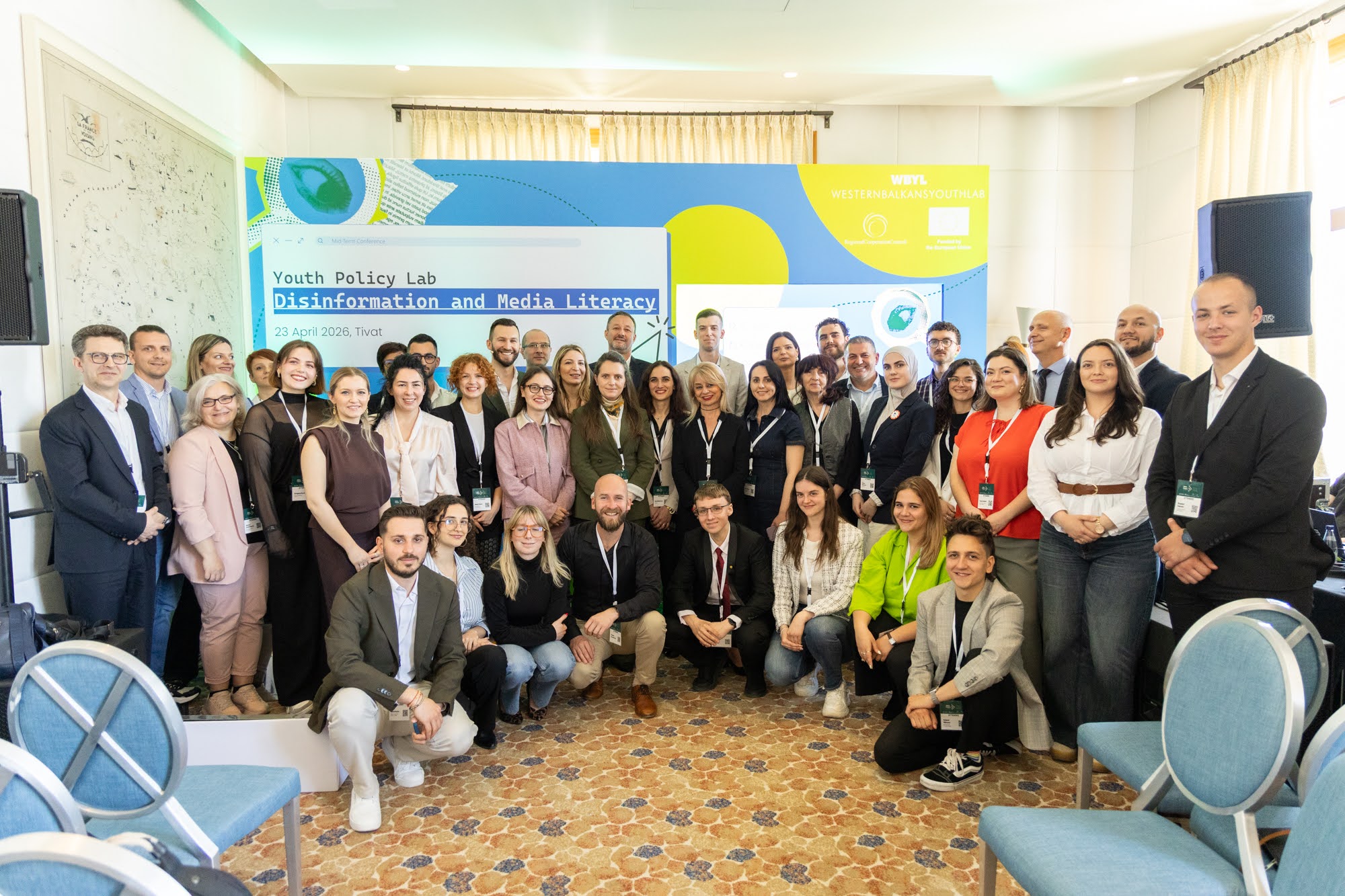
RCC’s EU-funded Western Balkans Youth Lab 2 (WBYL2) organised the Mid-Term Review Conference on Disinformation and Media Literacy on 23 April 2026 in Tivat (Photo: RCC/Danilo Papic)
Tivat – The Regional Cooperation Council (RCC)’s EU-funded Western Balkans Youth Lab 2 (WBYL2) organised the Mid-Term Review Conference on Disinformation and Media Literacy on 23 April 2026 in Tivat, bringing together young people, policymakers, and civil society representatives.
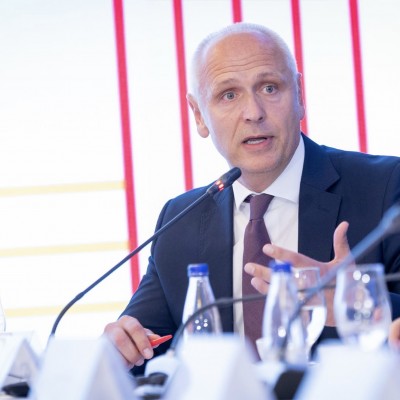
The conference was opened by the RCC Secretary General Amer Kapetanović, who emphasised the importance of addressing disinformation among young people, stating: “Whether we speak about economic integration, green and digital transitions, or democratic governance, the ability to critically assess information and actively engage in public life is fundamental. In that sense, your work in this Policy Lab is not a standalone effort, it is directly contributing to the core objectives of our cooperation efforts and to the long-term stability and prosperity of the WB6”. He further added: “Strengthening these capacities, particularly among young people, is not only a priority, but a strategic necessity for the future of our societies.”
The conference also featured a panel with Alumni of the Youth Policy Lab, moderated by Ognjen Marković, WBYL2 team leader, who highlighted that the true value of the Youth Policy Lab lies not only in its outcomes, but in its process, stressing the importance of ownership, responsibility, and the development of a strategic approach to the change young people want to see in their societies. He underlined that the Lab is designed to move beyond discussion and into structured, action-oriented engagement, where young people are encouraged to co-create solutions, take initiative, and remain involved throughout the implementation phase.
Building on the momentum of the Kick-Off Event, this conference marked an important milestone in the ongoing Youth Policy Lab process, providing a platform to assess progress and further strengthen cooperation in tackling disinformation and advancing media literacy.
Participants and working groups from the WB6 presented their achievements, ongoing activities, and next steps, including; research on youth skills in using AI tools and the development of a Code of Conduct for social media influencers; preparation of practical handbooks and guidelines for journalists and institutions to better include youth perspectives; development of a disinformation and media literacy manual; activities to strengthen media literacy through research on youth visibility and participation in television media through workshops, press conferences, and cooperation mechanisms; introduction of media literacy as an elective subject in school curricula, and research on youth competencies in AI and media literacy, followed by training of trainers, local trainings, and media outreach activities.
The process will continue over the next six months, during which all outlined initiatives are expected to move from planning into implementation, translating ideas and commitments into concrete actions and tangible results.
This marked the fourth Youth Policy Lab under the WBYL2 framework, following previously implemented Labs on youth unemployment, mental health, and the green agenda.
The day before, WBYL2 organized the fifth Fireside Talk with high-level officials, titled “Shaping the Future: Youth Cooperation and EU Integration.” The event provided a unique platform for open, direct dialogue between young leaders and policymakers.
***
The Regional Cooperation Council (RCC)’s Western Balkans Youth Lab 2 (WBYL2) is an EU-funded project that promotes a sustained and structured regional dialogue between young people and policy-makers. Its purpose is to co-create policies that strengthen youth participation in public decision-making and contribute to a more enabling socio-economic environment for young people across the Western Balkans.
More on the project - https://www.rcc.int/youthlab.