

Stronger regional cooperation across institutions and society key to advancing gender equality in the Western Balkans Six
02 July 2026
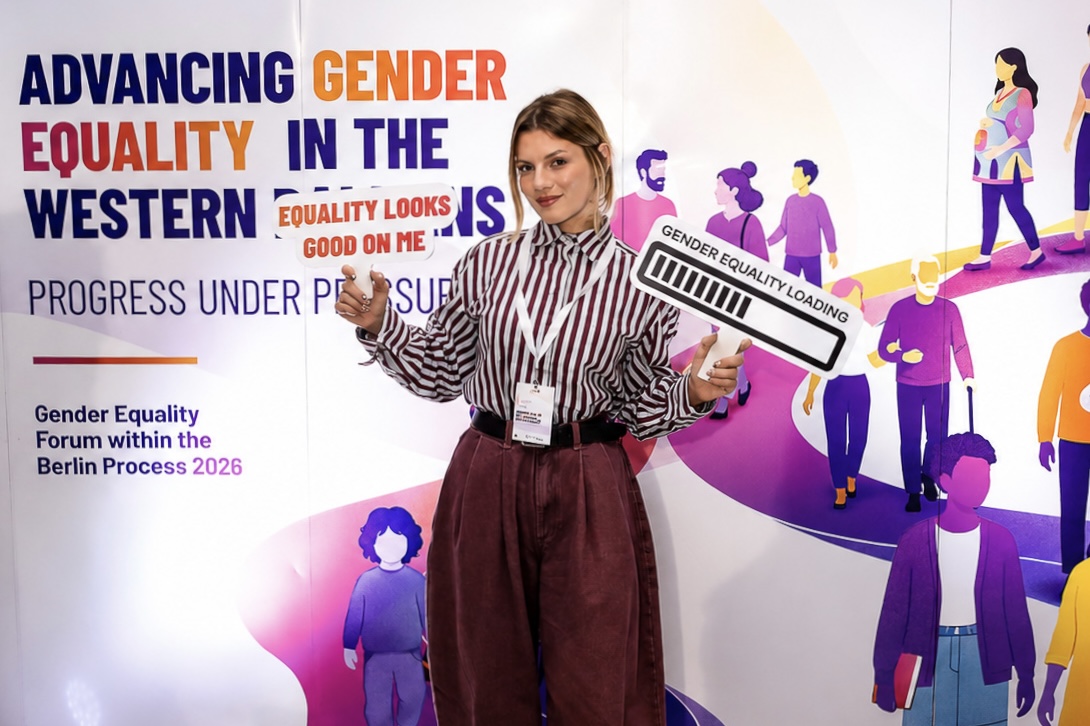
Jona Haderi, RCC Expert on Monitoring and Reporting took part in Gender Equality Forum on behalf of the RCC, in Sarajevo on 2 July 2026 (Photo: RCC/Jasmin Sakovic)
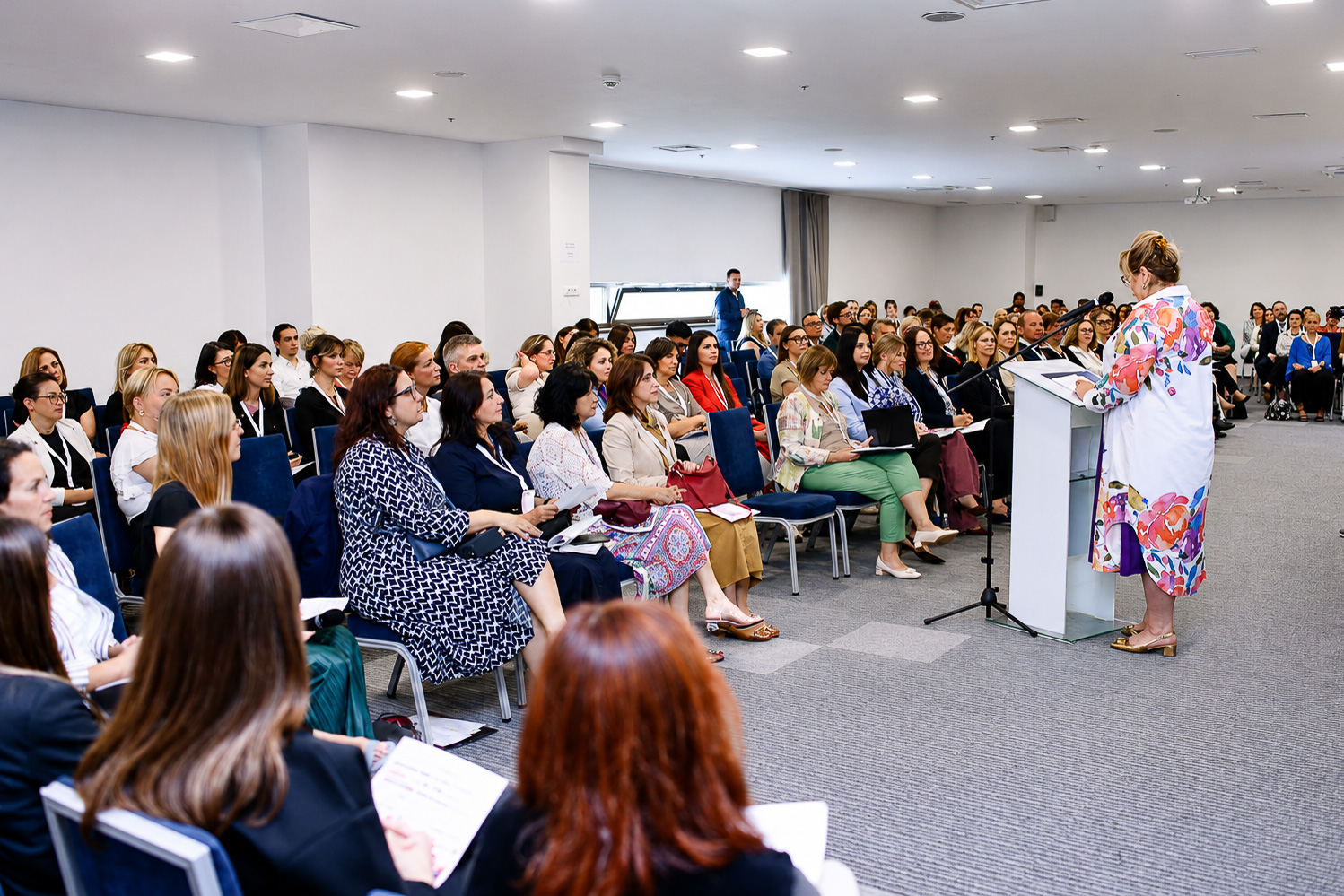
RCC took part in the third Gender Equality Forum 2026 in Sarajevo on 2 July 2026 (Photo: RCC/Jasmin Sakovic)
RCC takes part in the third Gender Equality Forum 2026 in Sarajevo
Sarajevo – Regional Cooperation Council (RCC) took part in this year's Gender Equality Forum represented by Jona Haderi, RCC Expert on Monitoring and Reporting, responsible for the RCC’s Women Empowerment agenda.
The Gender Equality Forum 2026, hosted by Bosnia and Herzegovina as part of Montenegro’s 2026 Chairmanship of the Berlin Process, brought together representatives of governments, civil society, international organisations, academia and regional initiatives in Sarajevo today to explore how gender equality can be protected and advanced at a time of growing uncertainty, polarisation and resistance to equality agendas.
Held within the framework of the Berlin Process under the theme “Progress Under Pressure: Advancing Gender Equality in the Western Balkans”, the Forum focused on strengthening cooperation, building broader alliances and translating regional dialogue into practical action.
Haderi contributed to discussions on linking gender equality more closely with regional cooperation, inclusive economic growth, competitiveness, resilience and the region’s convergence with the European Union, saying “Gender equality cannot be treated as separate from the region’s broader transformation. It is about how our societies grow, make decisions and respond to challenges. The Forum is important because it brings institutions, civil society, regional partners and women leaders around the same table, helping us move from shared concerns to shared solutions. For the RCC, advancing women’s access to finance, markets and opportunities is an essential part of strengthening competitiveness, resilience and sustainable growth across the Western Balkans Six.”
Discussions addressed gender equality within the broader transformation of the Western Balkans Six, including inclusive growth, institutional resilience, security, competitiveness and the green and sustainable transition. Particular attention was given to the need to defend progress already achieved while building stronger connections among institutions, civil society and regional networks.
Now in its third consecutive year, the Gender Equality Forum has evolved from a dedicated space for dialogue into an established platform within the Berlin Process for developing regional initiatives, strengthening partnerships and advancing joint action.
The Forum was preceded by two RCC-led events in Sarajevo: the Western Balkans Six Women Entrepreneurs of the Year 2026 ceremony on 30 June and the Women Diplomats Network meeting on 1 July. Together, the two events served as a soft opening of the Forum, linking women’s economic empowerment and leadership in diplomacy with the wider regional dialogue on gender equality.