

Kapetanović in New York: Regional cooperation must deliver when politics becomes difficult
24 September 2026
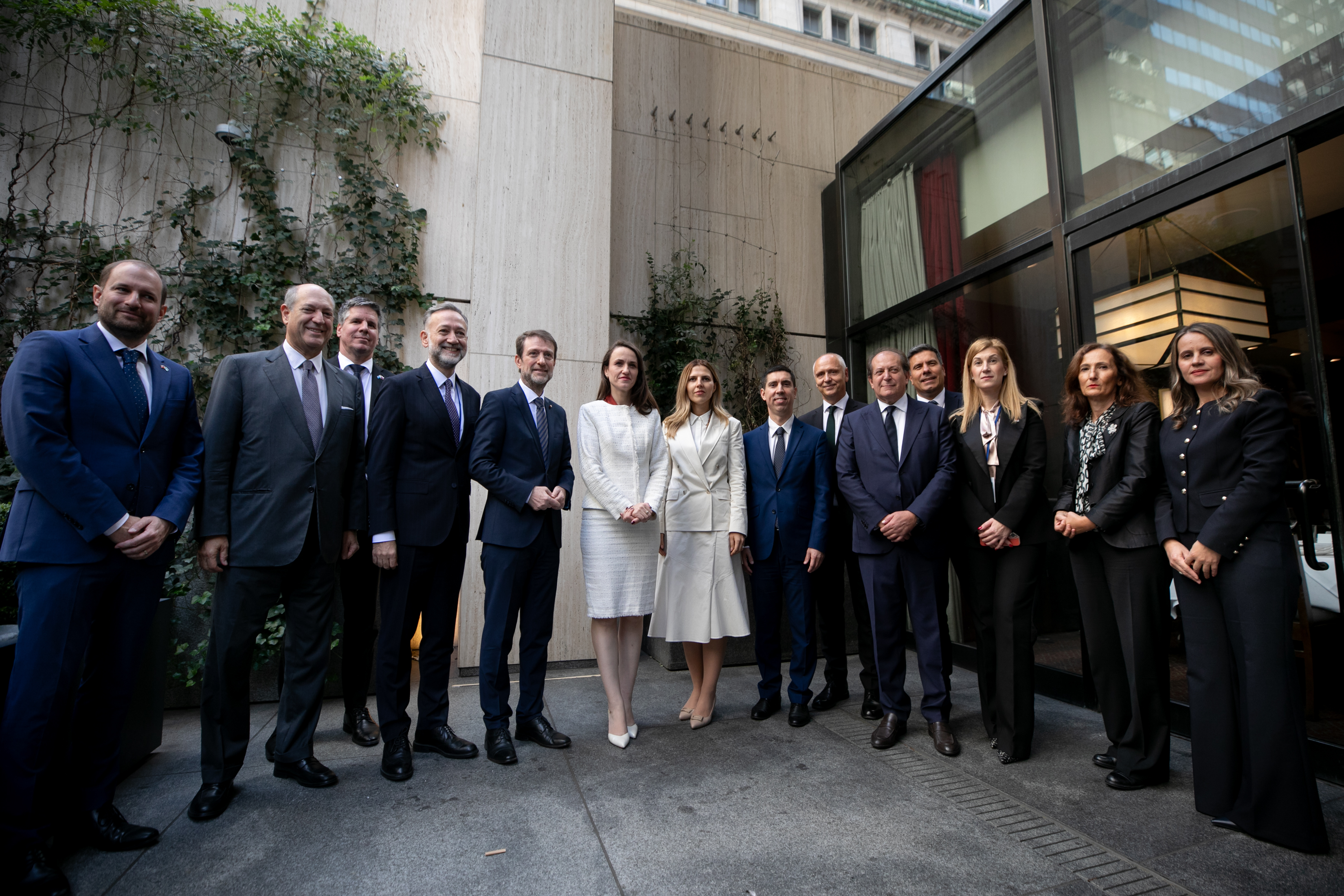
Meting of South-East European Cooperation Process (SEECP) Ministers of Foreign Affairs on Regional Cooperation took place on 24 September in New York (Photo: RCC/Lydia Lee)
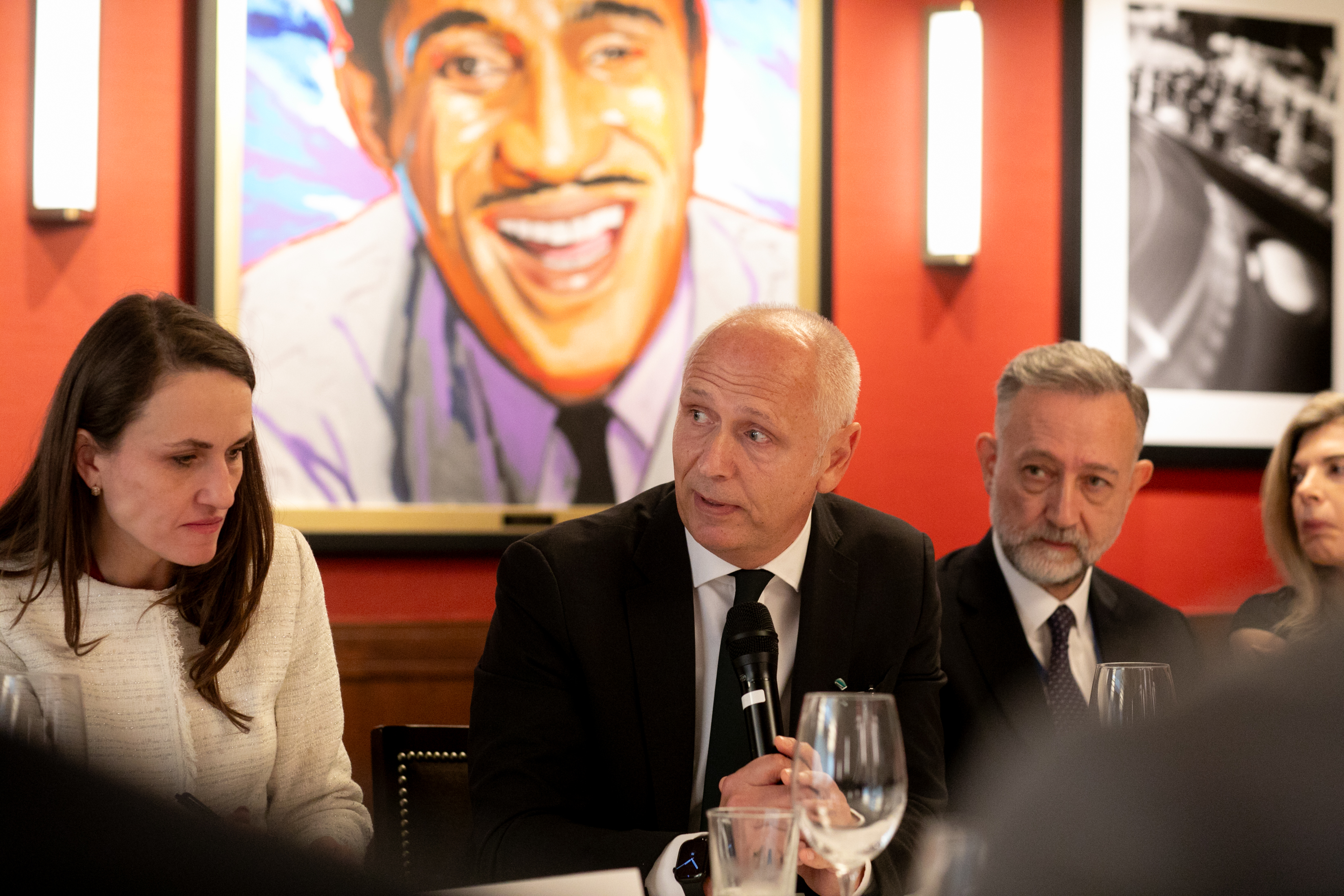
RCC Secretary General, Amer Kapetanović, took part at the meeting of South-East European Cooperation Process (SEECP) Ministers of Foreign Affairs on Regional Cooperation in on 24 September in New York (Photo: RCC/Lydia Lee)
New York – The Secretary General of the Regional Cooperation Council (RCC), Amer Kapetanović, took part at the meeting of South-East European Cooperation Process (SEECP) Ministers of Foreign Affairs on Regional Cooperation in New York on 24 September, organised on the margins of the United Nations General Assembly High-level Week under the auspices of the Bucharest Chairmanships-in-Office of the Central European Initiative (CEI) and the SEECP.
Held under the theme “Regional Cooperation in a Changing World: Delivering Stability, Resilience and Sustainable Growth through Trust-Based, Results-Oriented Cooperation”, the meeting focused on the future role of regional cooperation frameworks and the areas where they can continue delivering tangible results for citizens.
“Regional cooperation is no longer measured by what we agree with when politics is easy, but by what continues to work when politics becomes difficult. We cannot wait for a better political climate before we cooperate. It is through cooperation that we begin to create one,” said RCC Secretary General Amer Kapetanović.
Kapetanović stressed that regional cooperation remains an essential link between EU Member States and aspirants, and highlighted human capital, connectivity, resilience, as well as climate resilience and disaster preparedness as key priorities for future joint action.
“If regional cooperation and the RCC were a waiting room, they would have emptied long ago. Accession changes our institutional relationships. It does not change our geography,” he said, adding that the region does not need new structures, but stronger links between existing ones and a clearer focus on practical results.
SEECP foreign ministers welcomed the RCC’s contribution to advancing regional cooperation and commended its work in translating political commitments into concrete regional results.
While in New York, Kapetanović also met European Union Special Representative Peter Sørensen to discuss regional developments, cooperation and the European perspective of the Western Balkans. He also met Deputy State Secretary for International Cooperation of Hungary István Lakatos, with the exchange touching upon Hungary’s role in supporting regional cooperation, connectivity and economic development, the region’s European integration and opportunities for closer cooperation.