

Kapetanović: Regional cooperation becomes real when citizens can see what changes for them
21 October 2026
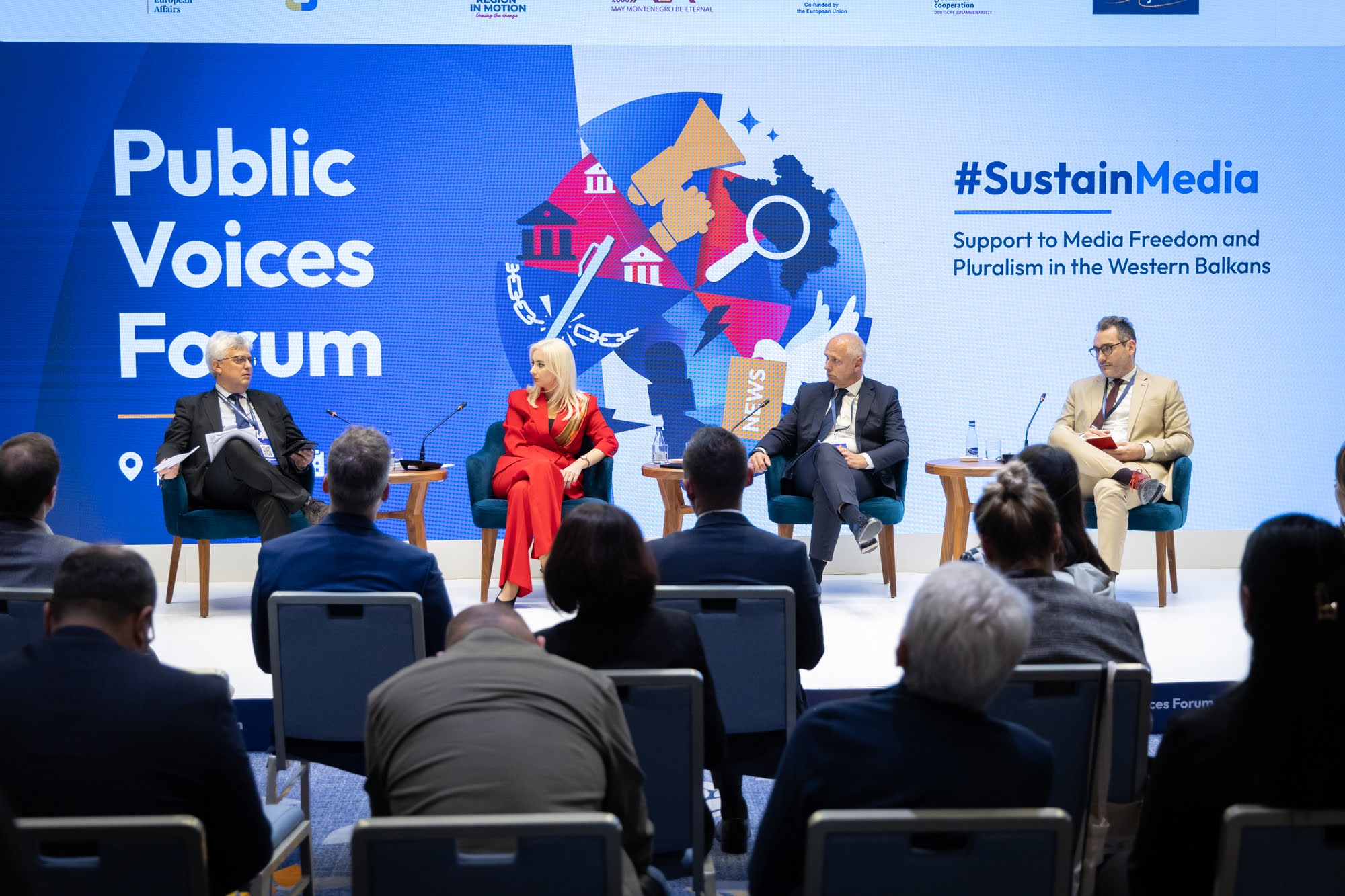
First Western Balkans Public Voices’ Forum took place ahead of Berlin Process Leaders’ Summit on 21 October 2026 in Budva (Photo: RCC/Danilo Papic)
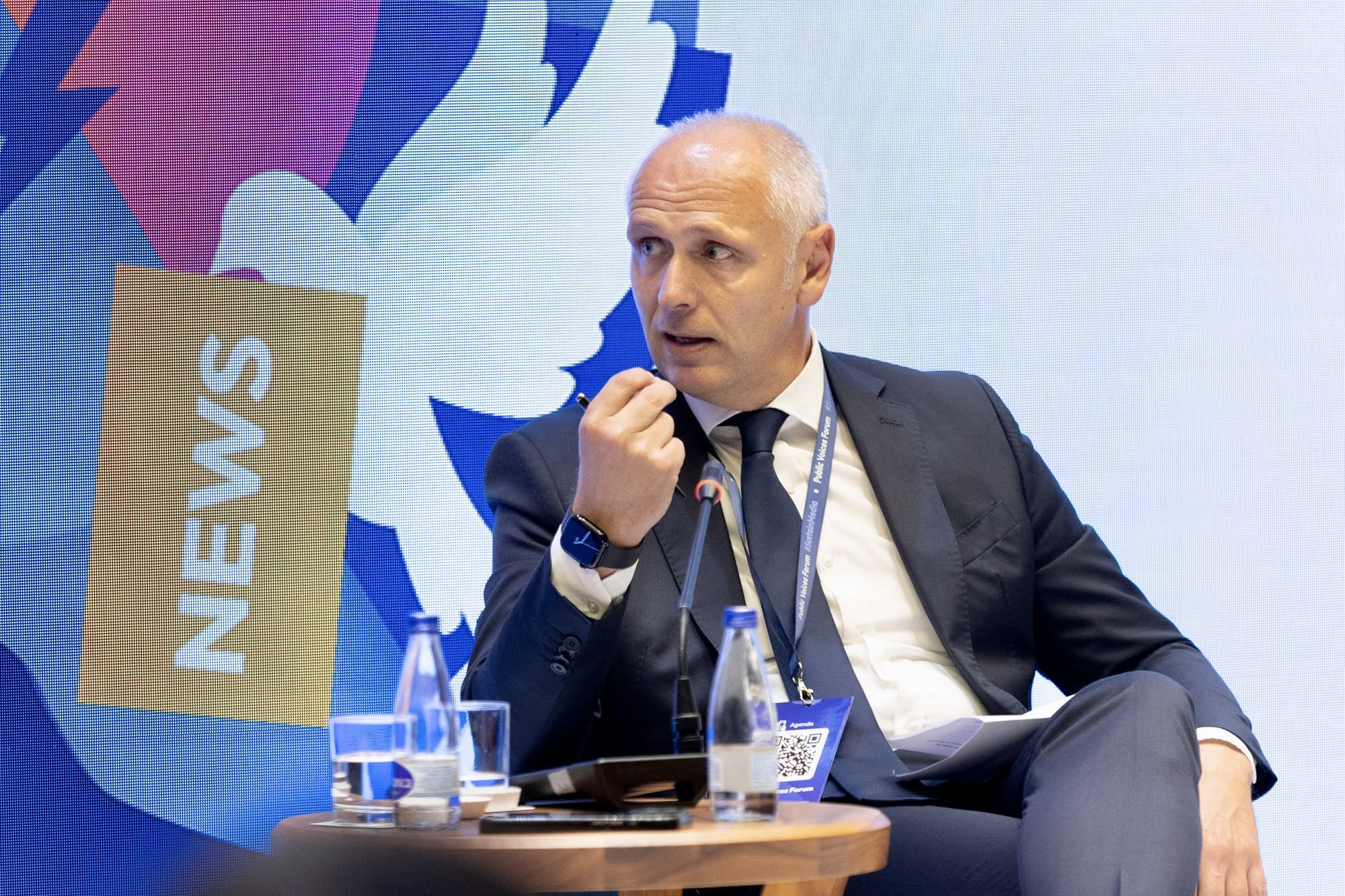
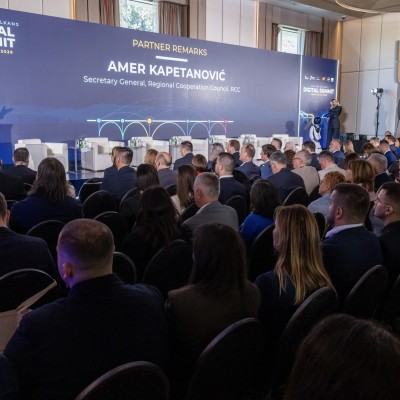
RCC Secretary General Amer Kapetanovic took part in the first Western Balkans Public Voices’ Forum on 21 October 2026 in Budva (Photo: RCC/Danilo Papic)
RCC Secretary General takes part in the first Western Balkans Public Voices’ Forum ahead of tomorrow’s Berlin Process Leaders’ Summit
Budva – The first Western Balkans Public Voices’ Forum, organised by the Government of Montenegro, in partnership with the European Union and the Federal Government of Germany, and with the support of the Sustain Media project, brought together media professionals, public communicators, regional organisations and political leaders in Budva today to discuss how European integration, regional cooperation and reforms can be communicated more clearly and effectively to citizens. Held ahead of tomorrow’s Berlin Process Leaders’ Summit in Sveti Stefan, the Forum is the first event of its kind under the Berlin Process framework and aims to strengthen dialogue between institutions, media and communication professionals across the region.
Regional Cooperation Council (RCC) Secretary General Amer Kapetanović took part in the session “From Policy to Citizens: Communicating European Integration and the Role of the Berlin Process”, alongside Minister of European Affairs of Montenegro Maida Gorčević and Filip Radunović of the Deutsche Gesellschaft für Internationale Zusammenarbeit (GIZ) GmbH Sustain Media Project. The discussion was moderated by Vincenzo Le Voci, Secretary General of the Club of Venice.
“Regional cooperation cannot be communicated only from the regional level, nor can European integration be explained only from Brussels. Regional organisations can tell the common story, and the EU can provide the broader perspective, but governments and their institutions need to bring that story home, in their own languages, through their own institutions and in a way that reflects local priorities and realities. That is where citizens can understand what these processes change in their everyday lives,” said Kapetanović.
He added that communication should focus on tangible results, explaining what becomes easier for a student, a worker, a small business or a family, while also being clear about what remains to be done. RCC can support this with regional data and monitoring tools, including the Balkan Barometer and the Common Regional Market monitoring mechanism, helping make both progress and remaining gaps more visible.
Kapetanović also stressed that communication should accompany implementation from the start. A summit announcement, he noted, is only the beginning; institutions should also explain who will implement agreed measures, when citizens can expect to use them and how progress will be tracked. He underlined that openness about delays and outstanding steps strengthens credibility rather than weakening it.
The discussion also looked at how to strengthen the role of professional and independent media in building public trust and helping citizens better understand the opportunities and responsibilities linked to European integration, including through better access to facts, evidence and real-life examples.