

RCC hosts Berlin Process Prime Minister Sherpas meeting in Brussels
26 February 2026
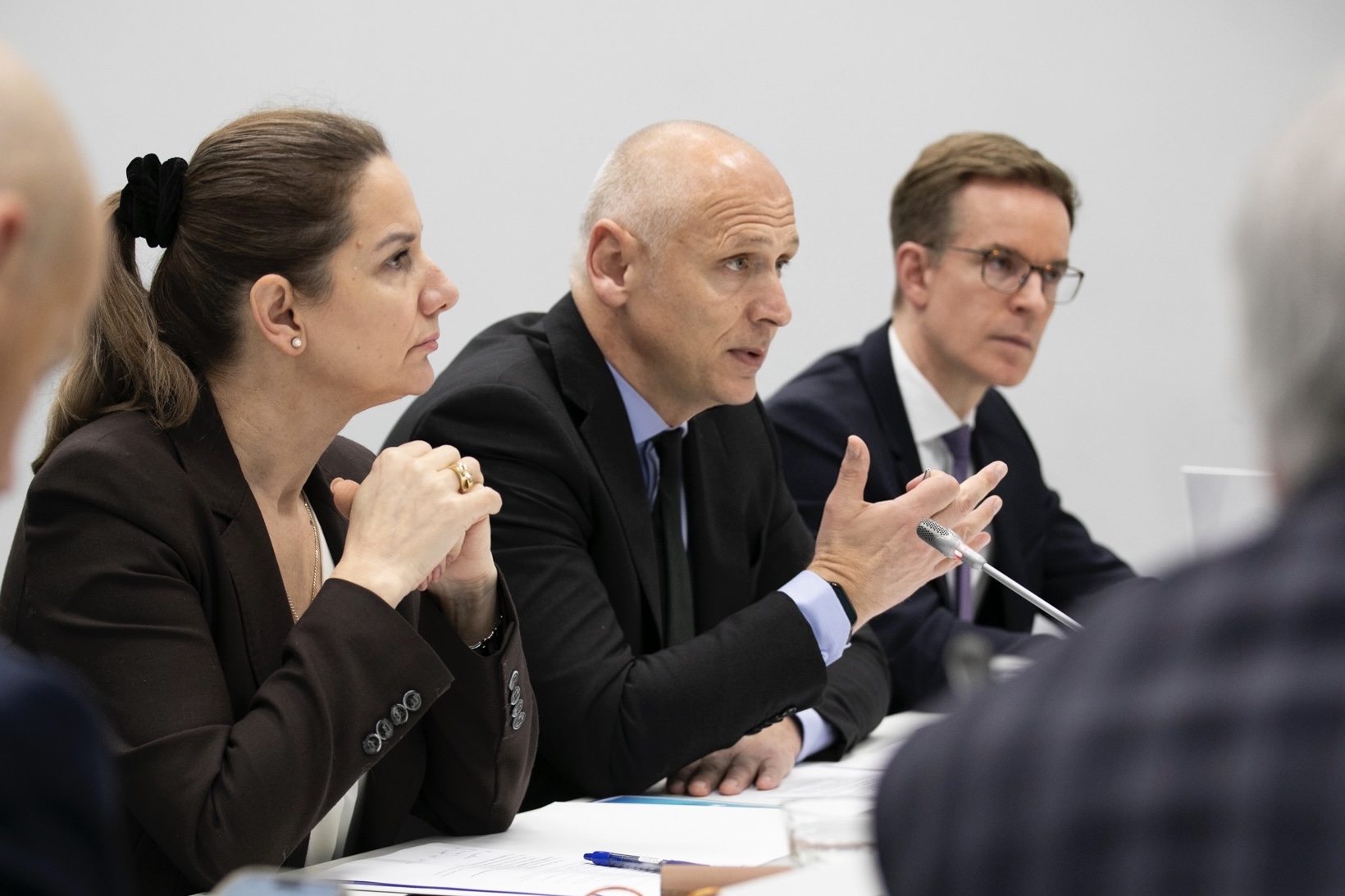
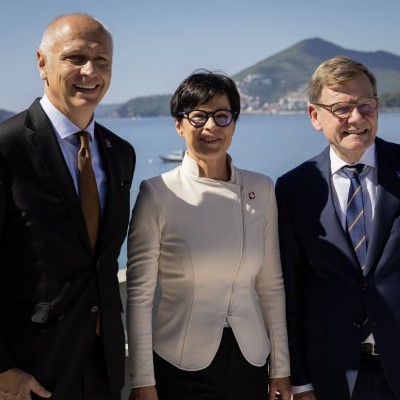
Pranvera Kastrati, Director of the CEFTA Secretariat, Amer Kapetanovic, RCC Secretary General, and Tim Prange, Representative of Cabinet of German Chancellor at the Berlin Process Prime Ministers' Sherpas meeting in Brussels on 26 February 2026 (Photo: RCC/Laure Geerts)
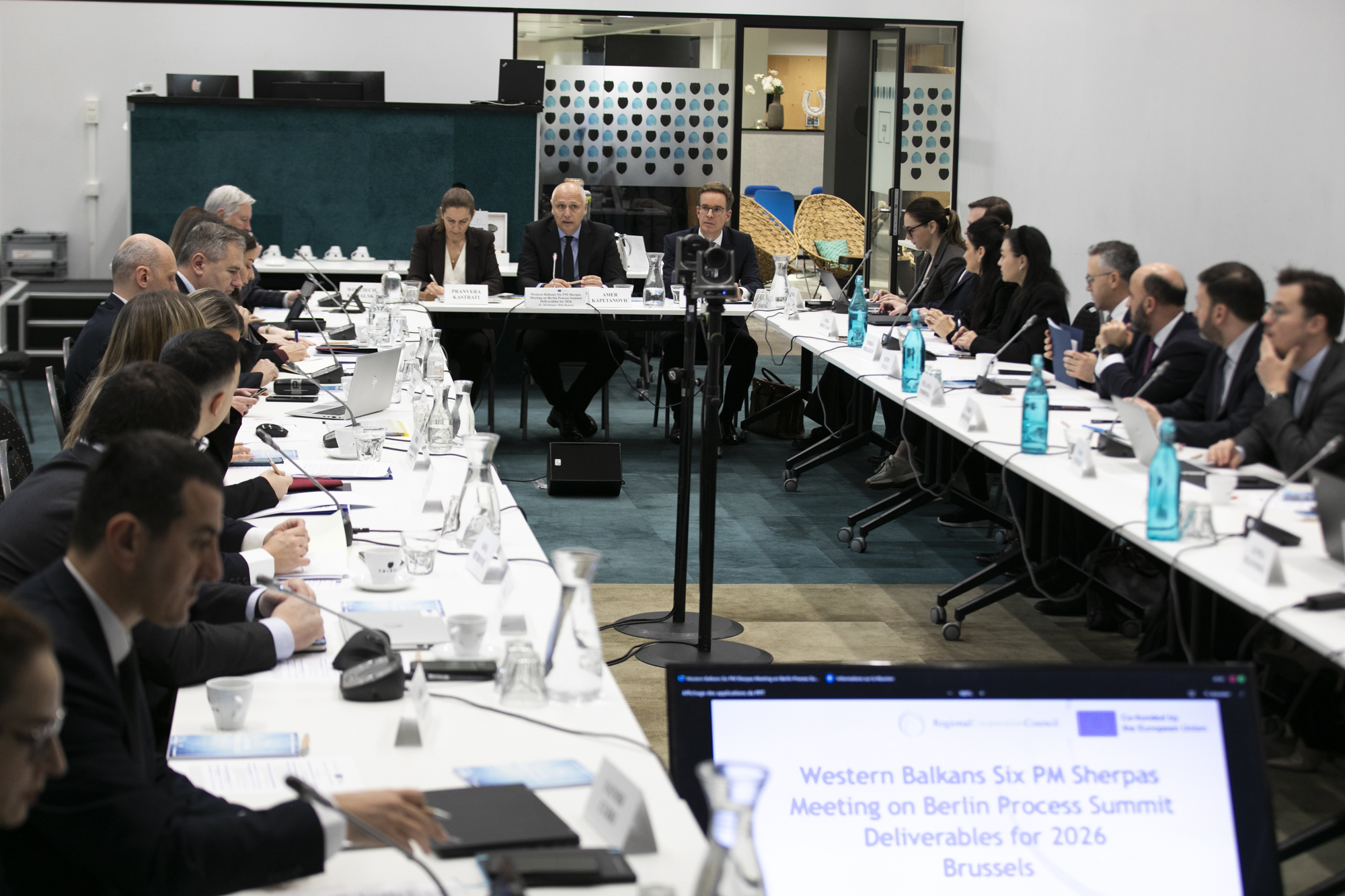
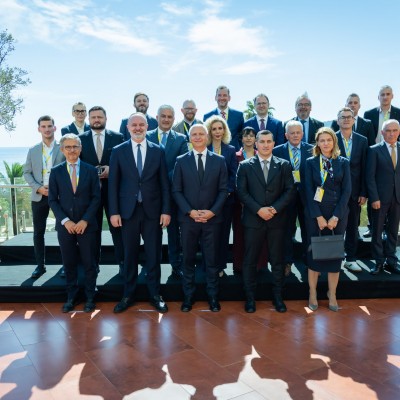
Prime Minister Sherpas meeting on Berlin Process Summit Deliverables for 2026 in Brussels on 26February 2026 (Photo: RCC/Laure Geerts)
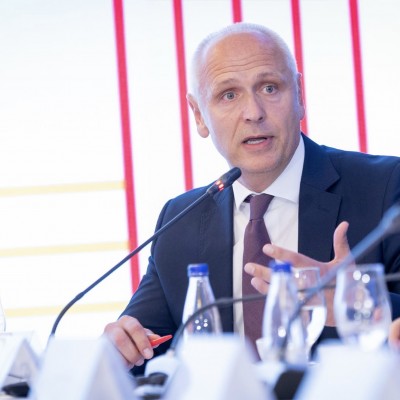
Brussels – The Secretary General of the Regional Cooperation Council (RCC), Amer Kapetanović, hosted today in Brussels a meeting of the Western Balkans Six (WB6) Prime Ministers’ Sherpas, bringing together advisors and senior officials mandated by their governments to coordinate regional priorities including in the Common Regional Market and the Berlin Process Summit.
The meeting opened with introductory remarks delivered by Amer Kapetanović, RCC Secretary General, Pranvera Kastrati, Director of the CEFTA Secretariat, Valentina Superti, Director for Western Balkans at the European Commission’s DG ENEST, Tim Prange, Representative of Cabinet of German Chancellor and Milica Perišić, Prime Minister’s Sherpa of Montenegro, representing Montenegro as the 2026 Berlin Process host.
The gathering convened PM Sherpas, European Commission representatives, regional organisations, and partners to align priorities and advance preparations for this year’s Berlin Process deliverables, including the priorities under the Common Regional Market Action Plan with RCC facilitating coordination among stakeholders.
Opening the discussions, Kapetanović emphasized that regional cooperation remains a practical driver of EU integration. “Regional cooperation is not an alternative to EU integration, but a Western Balkans’ accession accelerator, a structured pathway towards the EU Single Market that reduces fragmentation, aligns standards, and delivers tangible benefits for citizens and businesses,” said Kapetanović. He emphasized that renewed momentum for EU enlargement, combined with practical regional integration, represents a strategic investment in Europe’s stability, security, and prosperity.
Participants briefly reviewed progress achieved during the 2025 Berlin Process cycle and discussed a package of deliverables for the 2026 Summit. Discussions focused on advancing the Common Regional Market and the Green Agenda for the Western Balkans, ensuring that already agreed commitments translate into tangible economic opportunities, stronger connectivity, and closer alignment with EU standards.
Special attention was given to strengthening coordination among regional organisations and EU partners, as well as aligning regional initiatives with the EU Growth Plan for the Western Balkans. The Common Regional Market Monitoring Tool was also presented as a mechanism to enhance transparency, accountability, and evidence-based tracking of reforms.
The meeting further served to coordinate the calendar of regional activities leading towards the Berlin Process Summit scheduled for October 2026 in Montenegro, reinforcing a structured and delivery-oriented regional cooperation agenda.
A day earlier, the RCC Secretary General addressed the European Parliament’s Working Group on Western Balkans within the Committee on Foreign Affairs (AFET) in Brussels, presenting RCC’s work programme for 2026 and discussing the role of regional cooperation, gradual integration into the EU Single Market, and implementation of the EU Growth Plan for the Western Balkans.
******
The Regional Cooperation Council (RCC) is a regionally owned and led political cooperation framework, established in 2008 as the successor to the Stability Pact for South Eastern Europe. Serving as the operational secretariat of the South-East European Cooperation Process (SEECP), the RCC provides the institutional structure and political space necessary to sustain dialogue across South East Europe. Its Board brings together 25 participants, including 14 EU Member States and 5 G20 members, reflecting its broad international relevance. Headquartered in Sarajevo, with a Liaison Office in Brussels, the RCC acts as a bridge between regional priorities and European and global decision-making.