

Kapetanović: Parliamentary cooperation must become more practical, focused on implementation and connected to citizens
05 June 2026
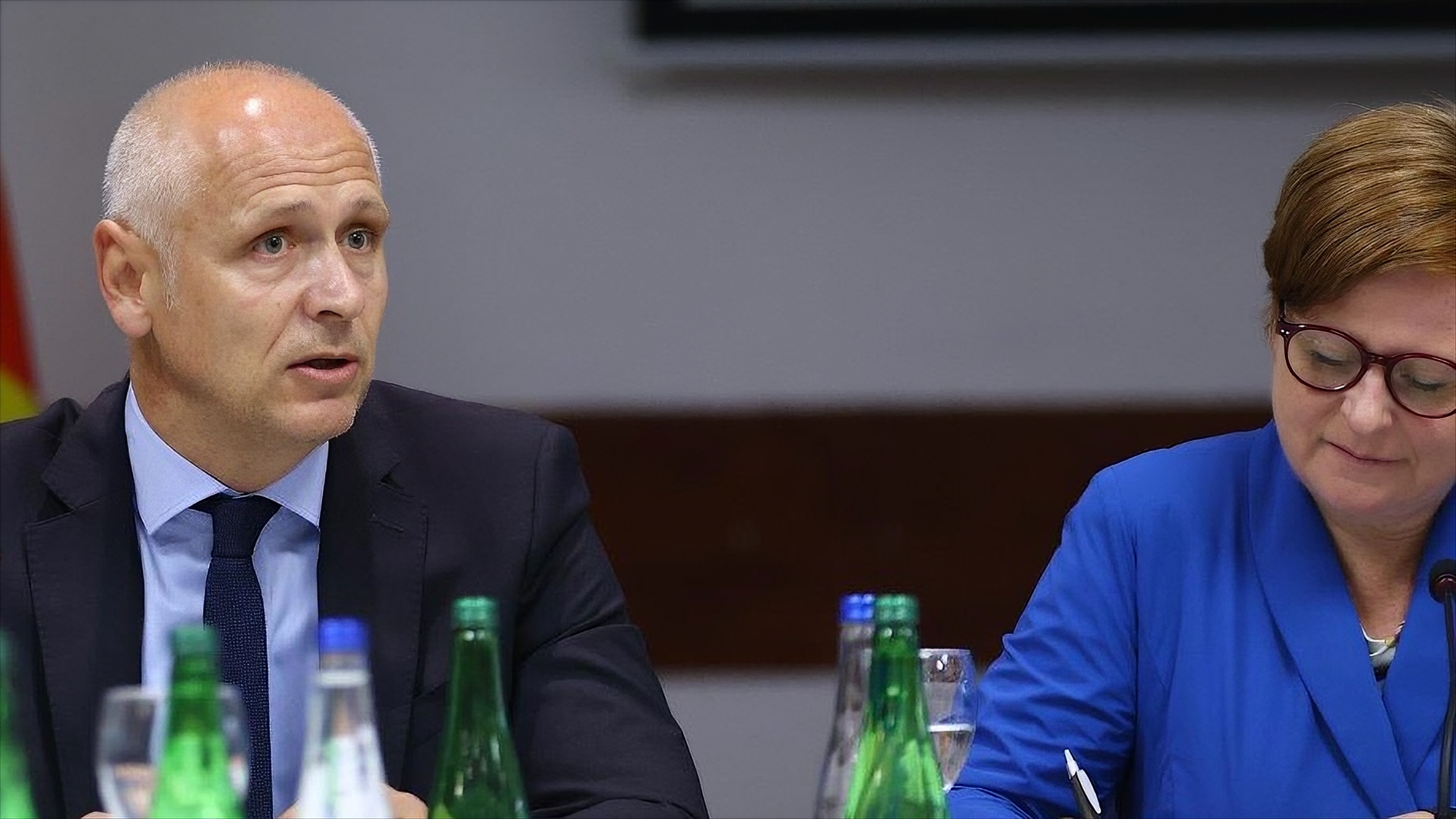
RCC Secretary General Amer Kapetanovic at the 23rd Conference of the Parliamentary Committees on European Integration/Affairs participating in the Stabilization and Association Process of South East Europe in Struga on 5 June 2026 (Photo: Curtsey of Assembly of North Macedonia)
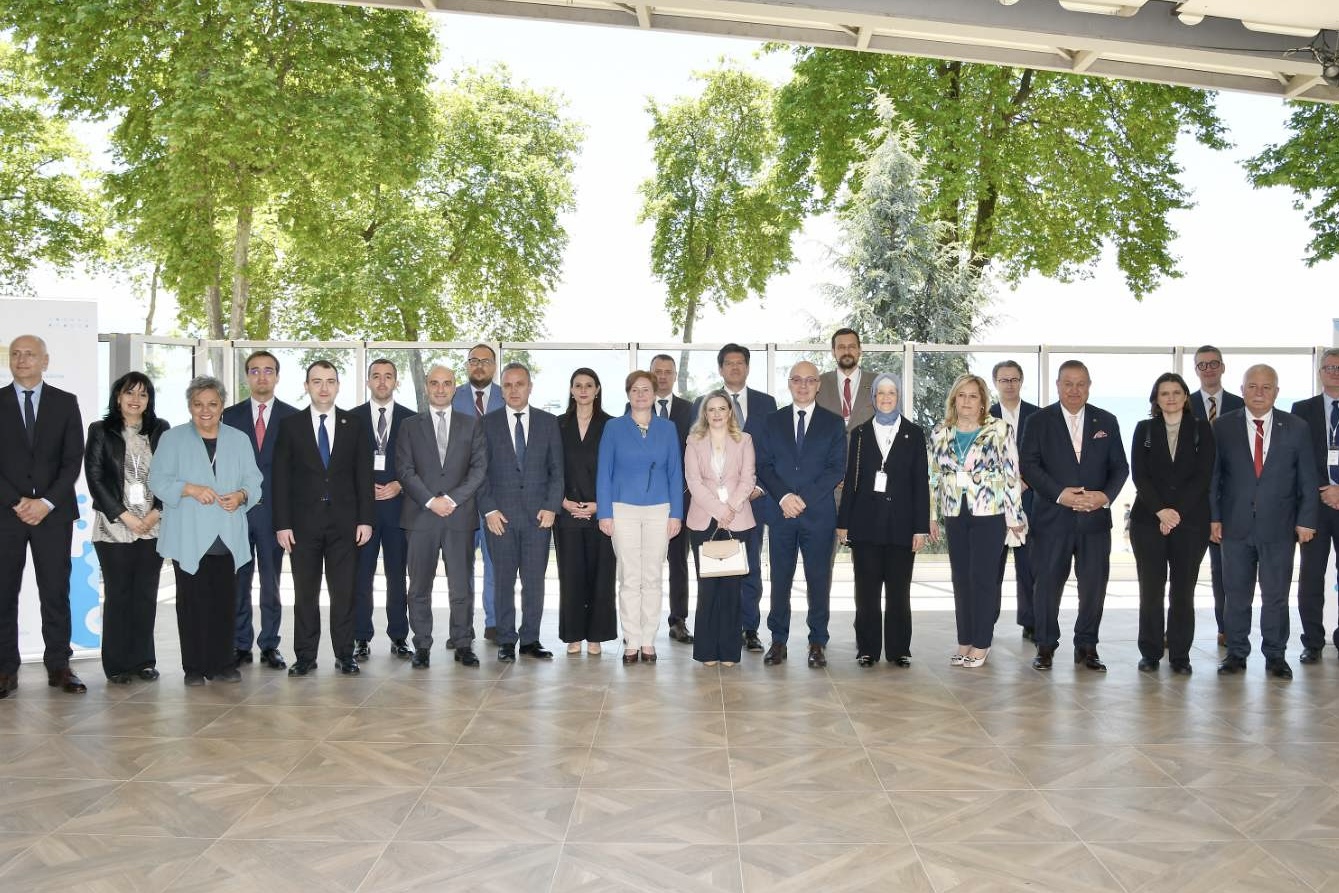
23rd Conference of the Parliamentary Committees on European Integration/Affairs participating in the Stabilization and Association Process of South East Europe (COSAP) in Struga on 5 June 2026 (Photo: curtsey of Assembly of North Macedonia)
Struga – The 23rd Conference of the Parliamentary Committees on European Integration/Affairs participating in the Stabilization and Association Process of South East Europe (COSAP), bringing together parliamentary representatives from South East Europe, opened today in Struga, with a focus on the role of parliaments in advancing regional cooperation, European integration, connectivity, green transition and economic resilience.
The Conference was opened by Antonijo Miloshoski, Vice-president of the Assembly of North Macedonia and Chairman of the Committee on European Affairs, followed by welcome remarks by Afrim Gashi, President of the Assembly of North Macedonia, Petra Dreksler, Ambassador of Germany to North Macedonia, and Amer Kapetanović, Secretary General of the Regional Cooperation Council (RCC).
Speaking at the opening, RCC SG Amer Kapetanović underlined that COSAP remains an important platform, but that its future relevance depends on its ability to move beyond exchange of views and contribute more directly to the delivery of regional reforms.
“Regional cooperation is no longer only a political project. It is all about economic competitiveness, about attracting investment, becoming part of new value chains, capturing opportunities, strengthening energy connectivity and creating business environment that is more predictable, integrated and resilient. The challenge facing COSAP is not visibility, but its relevance in helping our region navigate a new era of phased European integration, relevance in supporting the investments needed to connect our economies, and relevance in ensuring that regional cooperation continues delivering measurable benefits to citizens and businesses. In a world organised around value chains, resilience and connectivity, the question is no longer whether we can afford to cooperate. The question is whether we can afford not to,” said Kapetanović.
Kapetanović stressed that parliaments have already played an important role in supporting tangible regional achievements, including mobility agreements, reduced roaming charges, recognition of qualifications, professional mobility, progress towards SEPA integration, and new opportunities created through the EU Growth Plan. He added that, in the current geopolitical and economic context, the region’s ability to cooperate is becoming increasingly important. Individually, Western Balkans Six (WB6) markets remain small, but together they represent a market of nearly 18 million people located at the doorstep of the European Union.
The two-day COSAP Conference continues with sessions on the role of the Berlin Process in strengthening regional cooperation in the WB6, regional connectivity through modern transport infrastructure, energy security and green transition, and European integration processes of South East Europe in the current geopolitical context.