


Regional cooperation key to resilient and inclusive labour markets in the Western Balkans, says RCC Secretary General in Berlin
11 May 2026
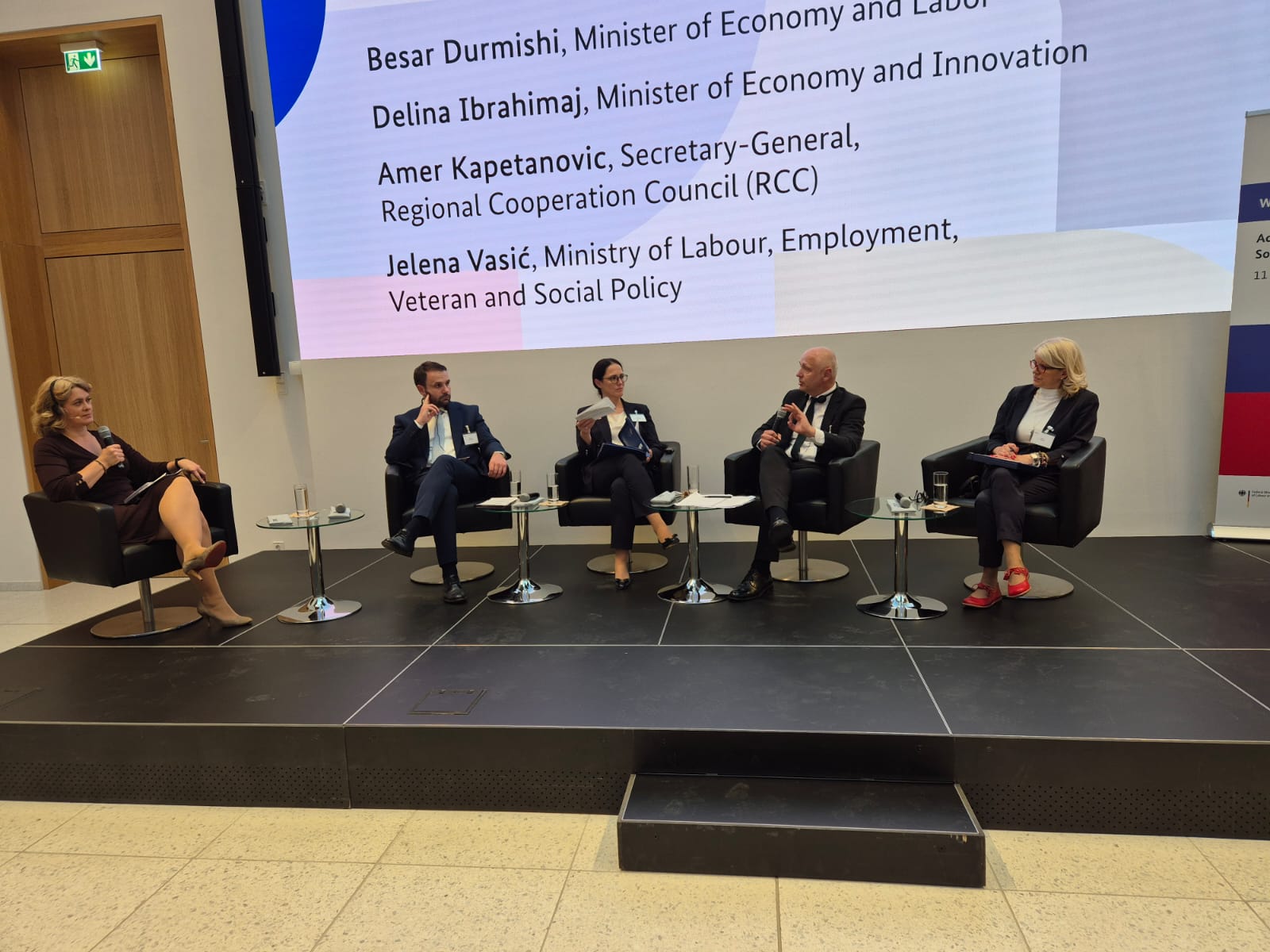
RCC Secretary General Amer Kapetanovic spoke at the panel “Promoting Employment: Effective Strategies for Resilient and Inclusive Labour Markets” during the Western Balkans Conference: Advancing Employment and Social Policy Together, held in Berlin on 11 May 2026 (Photo: RCC)
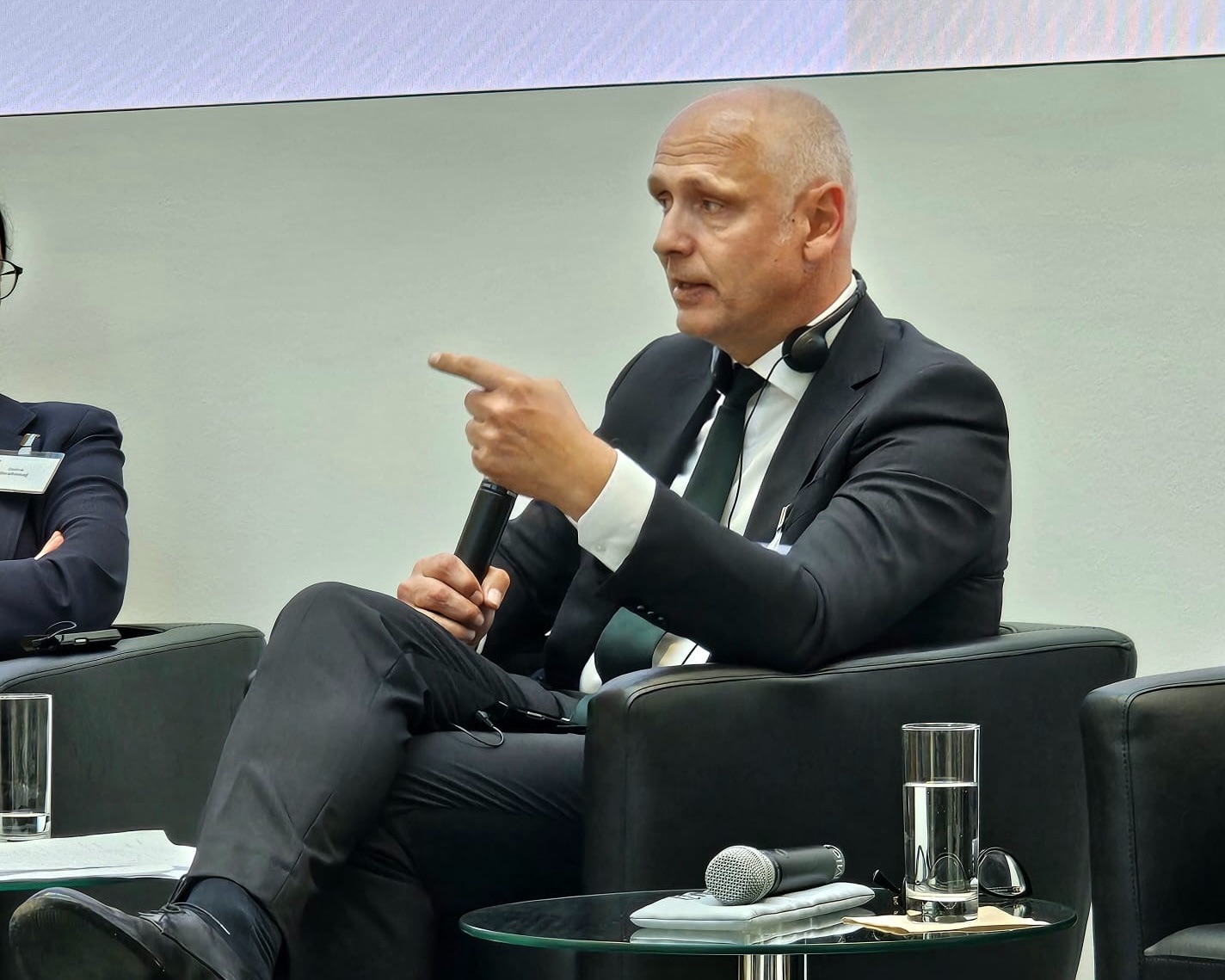
RCC Secretary General Amer Kapetanović addressing the panel “Promoting Employment: Effective Strategies for Resilient and Inclusive Labour Markets” at the Western Balkans Conference: Advancing Employment and Social Policy Together, held in Berlin on 11 May 2026 (Photo: RCC)
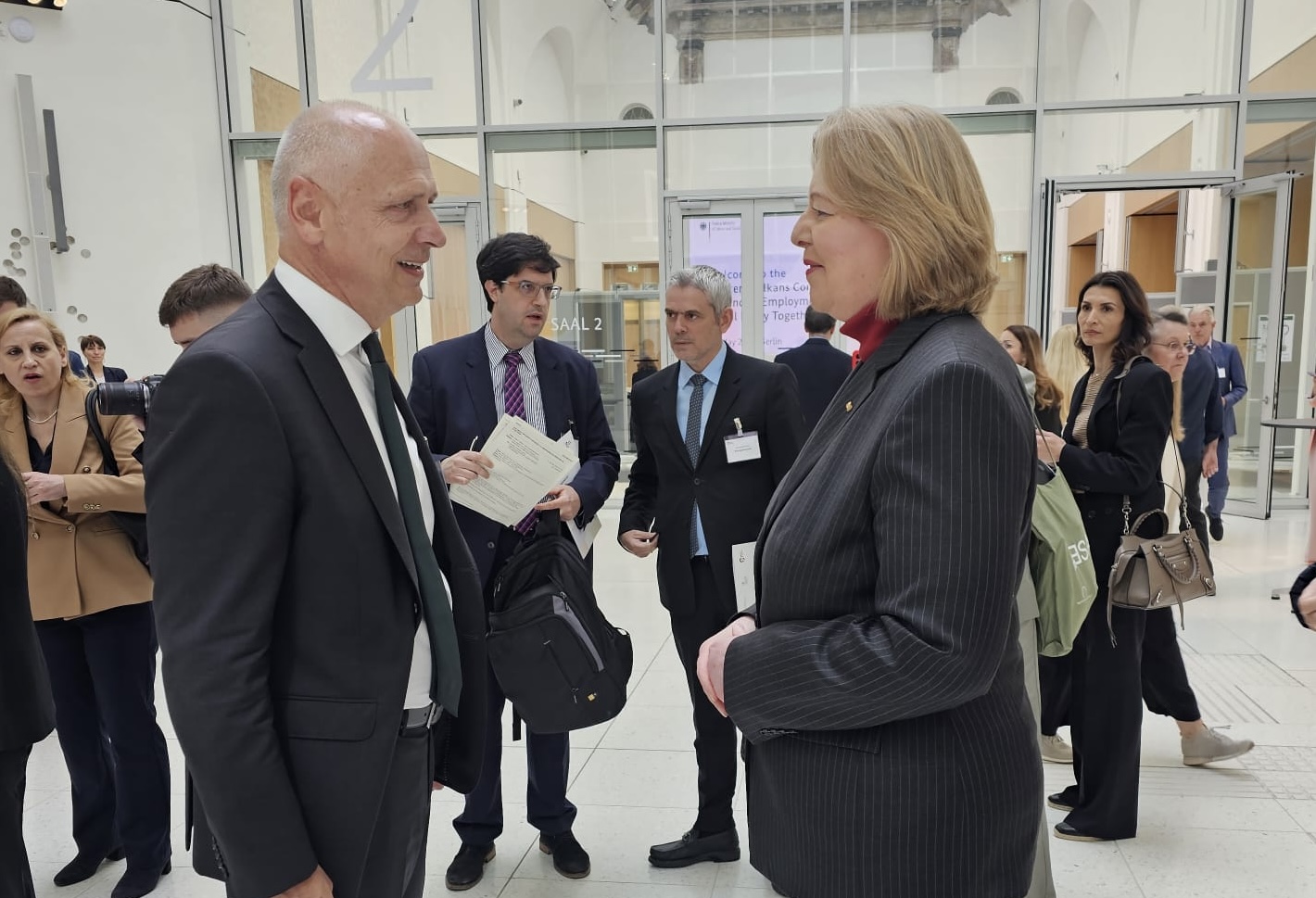
RCC Secretary General Amer Kapetanovic and Bärbel Bas, Federal Minister of Labour and Social Affairs at the Western Balkans Conference: Advancing Employment and Social Policy Together, held in Berlin on 11 May 2026 (Photo: RCC)
Berlin – Regional Cooperation Council (RCC) Secretary General Amer Kapetanović took part today in the Western Balkans Conference: Advancing Employment and Social Policy Together, held in Berlin within the framework of the Berlin Process, focusing on stronger employment and social policy cooperation in the Western Balkans. The conference was hosted by the Federal Ministry of Labour and Social Affairs of Germany, with opening remarks by Bärbel Bas, Federal Minister of Labour and Social Affairs; Naida Nišić, Minister of Labour, Employment and Social Dialogue of Montenegro, representing the Berlin Process 2026 Chair; and a video address by Roxana Mînzatu, Executive Vice-President of the European Commission.
Kapetanović spoke at the panel “Promoting Employment: Effective Strategies for Resilient and Inclusive Labour Markets” together with Delina Ibrahimaj, Minister of Economy and Innovation; Besar Durmishi, Minister of Economy and Labour; and Jelena Vasić, Senior Advisor for the Creation of Active Employment Measures. The discussion focused on common labour market challenges in the region, including skills gaps, informality, demographic pressures, labour mobility, and the need to modernise public employment services.
“Across the Western Balkans, labour markets are facing different circumstances, but many of the structural challenges are shared. On average, employment and activity rates remain well below EU levels, youth unemployment and NEET rates are still high, participation in lifelong learning remains limited, and informality continues to weaken productivity, public revenues, and access to social protection. This is why regional cooperation is not an additional layer of work, but a practical necessity. The Berlin Process provides political direction, the Work Plan sets concrete priorities, and RCC’s role is to help turn them into implementation through evidence, peer learning, monitoring, and practical tools that strengthen institutions and deliver results for citizens,” said Kapetanović.
Speaking about RCC’s contribution in the area of employment and social policy, Kapetanović underlined the role of the Employment and Social Affairs Platform (ESAP) in supporting Western Balkan partners through regional analysis, alignment with EU standards, and practical mechanisms such as Public Employment Services Benchlearning and Mutual Assistance Projects on undeclared work. These tools help employment services, labour inspectorates, tax authorities, and ministries compare performance, identify gaps, exchange experiences, and move from policy commitments to measurable improvements.
The conference also marked the presentation and official launch of the Berlin Process Work Plan on Employment and Social Policy, which aims to strengthen cooperation in areas such as labour mobility, skills development, the modernisation of employment services, and closer alignment with EU systems.
Kapetanović concluded that the region does not lack strategies or commitments, but rather stronger implementation, scale, and consistency.
“No one else will build resilient labour markets for the Western Balkans but the authorities of the region, working together for the benefit of their citizens. RCC will continue to support that work by connecting regional cooperation with EU processes and by helping ensure that commitments produce visible, measurable results,” concluded Kapetanović.